







Shipping and couriers
CN22 and CN23 forms for International Shipping: a guide for eCommerce
Essential customs documents for international shipping: CN22 and CN23 forms, required for packages outside the EU. How to fill them correctly.
International shippingLabels and couriers
International shipping offers significant opportunities for eCommerce businesses but requires attention to customs and bureaucratic details. Among the essential documents for international shipping are the CN22 and CN23 forms, required for packages sent outside the European Union or to regions with specific customs regulations.
This article provides a detailed overview of CN22 and CN23 forms, their usage, and how to complete them properly to avoid delays, additional costs, and customs issues.
1. What are CN22 and CN23 forms?
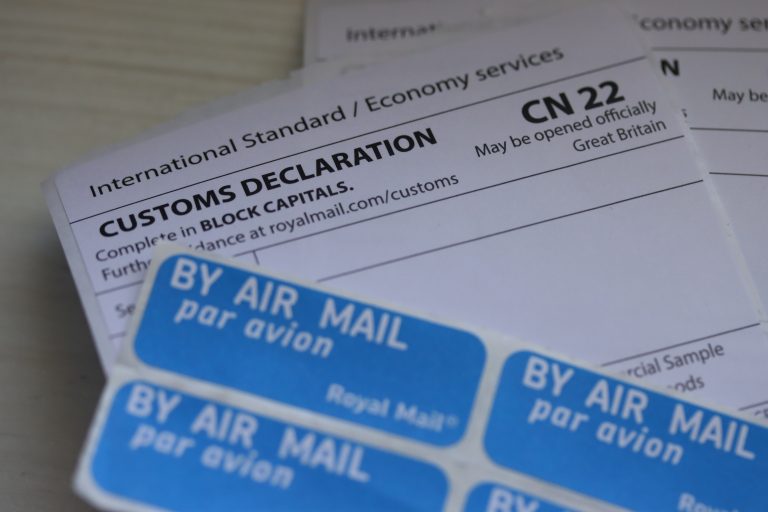
- CN22: A customs declaration label used for packages with a value under 300 SDRs (Special Drawing Rights, approximately €380).
- CN23: A more detailed customs declaration form required for shipments exceeding 300 SDRs.
2. Differences between CN22 and CN23
CN22
CN23
| Features | CN22 | CN23 |
| Features | ||
| Value Limit | Up to €380 | Over €380 |
| Type of Form | Adhesive label | Attached document |
| Required Details | Basic description, value, weight, origin | Detailed description, value, weight, sender/recipient information |
| Placement | Applied externally | Enclosed in a transparent pouch |
In summary: Use CN22 for low-value, simple shipments. Opt for CN23 for high-value or complex shipments.
3. When to use CN22 and CN23
CN22:- For low-value shipments.
- Small and lightweight packages.
- Products worth a maximum of €380.
- For high-value shipments.
- Larger or more complex packages.
- Mandatory for shipments exceeding €380, or specific items (e.g., luxury goods or electronics).
4. How to complete the CN22 form
Accurate completion of the CN22 form is crucial. Include the following details:- Sender and recipient information (name, full address, postal code).
- Detailed description of the contents (e.g., “Cotton T-shirt, red”).
- Quantity and weight of items.
- Value of goods in the local currency (e.g., EUR or USD).
- Customs tariff number (HS Code) for each product.
- Country of origin of the goods.
- Signature and date of completion.
5. How to complete the CN23 form
The CN23 form requires more details compared to CN22. Include the following:- Complete sender and recipient details.
- Detailed description, quantity, weight, and value of each item.
- Customs classification (HS Code) for each product.
- Country of origin.
- Export declaration (if required).
- Gross and net shipment weight.
- Signature and date of completion.
6. Common mistakes to avoid
- Generic descriptions: Avoid vague terms like “gift” or “samples”.
- Incorrect value: Under-declaring value can result in penalties and delays.
- Missing HS Code: This is mandatory for correct customs classification.
- Unsigned forms: Always sign and date the form.
7. Tips for Efficient International Shipping
- Use shipping management software like Qapla’ to automate CN22 and CN23 form generation.
- Always verify the customs regulations of the destination country.
- Attach all required documents to the package exterior in a transparent pouch.
8. How Qapla’ simplifies CN22 and CN23 form management
Qapla’ streamlines customs documentation through integration with major international couriers:- Automatic generation of CN22 and CN23 forms.
- Pre-filling key details (weight, value, HS Code).
- Real-time tracking of international shipments.
- Clear, timely communication with customers.
Conclusion
CN22 and CN23 forms are essential tools for smooth international shipping. Properly completing these forms not only avoids customs delays but also enhances the customer experience.
Qapla’ is your ideal partner for automating this process, allowing eCommerce businesses to focus on growth and customer satisfaction. 🚀
Learn more about how Qapla’ can help manage international shipments and boost your eCommerce business today!