






Shipping and couriers
Sustainability in eCommerce shipping: reduce the environmental impact
How to make eCommerce shipping more sustainable with pickup points (PUDO), eco-friendly packaging and route optimization. Guide by Qapla'.
Pickup pointsPackaging and regulations
Sustainability has become a central theme for eCommerce companies looking to reduce their environmental impact. In an era where consumers are increasingly aware of their choices, integrating sustainable practices is not only an ethical decision but also a competitive advantage. The key areas to focus on include shipping, returns, and pick-up points (also known as PUDO).
The environmental impact of eCommerce shipping
Shipping is a crucial part of online commerce but also one of the main contributors to environmental impact. Each order involves a series of operations that, if not optimized, can result in high resource consumption, from CO2 emissions generated by transportation to the management of packaging and waste.CO2 Emissions from Transportation
The transportation of goods is one of the most polluting stages in the lifecycle of an eCommerce product. Shipments, especially last-mile deliveries (the final delivery to the consumer), are often inefficient, with partially empty vehicles or non-optimized routes. This contributes to increased greenhouse gas emissions, primarily carbon dioxide (CO2), which is one of the main causes of climate change.
The main sources of emissions include:
- Multiple deliveries for individual parcels, requiring separate and inefficient trips.
- The use of traditional combustion vehicles, such as diesel vans and trucks, which emit large amounts of CO2 and other pollutants like particulates.
- The growing demand for fast shipping or even same-day deliveries, which often leads to logistical inefficiencies, as carriers cannot wait to optimize loads.
Solutions to reduce environmental impact
Pick-Up Points and PUDO
Pick-up points and PUDO (Pick-Up Drop-Off) are becoming one of the most effective solutions for reducing the environmental impact of eCommerce shipping. These systems offer a sustainable alternative to traditional home deliveries, which often involve logistical inefficiencies and increased CO2 emissions, especially during the last-mile delivery stage.What are PUDO and Pick-Up Points?
PUDO are collection and delivery points located in physical stores, gas stations, supermarkets, or other easily accessible locations. Instead of receiving the package at home, the customer can go to these points to collect their order. Similarly, pick-up points include solutions like automated lockers, where packages are deposited in electronic lockers, ready to be picked up at the customer’s convenience.
These solutions represent a significant innovation in the shipping sector, offering substantial benefits for eCommerce companies, consumers, and the environment.
Environmental Benefits of PUDO and Pick-Up Points
Using pick-up points and PUDO offers several sustainability advantages:
- Reduction in CO2 emissions: Instead of making separate deliveries to multiple addresses, carriers can deliver many packages to a single location, optimizing trips and reducing emissions. This reduces the number of last-mile deliveries, the most inefficient and polluting part of logistics.
- Fewer empty trips: With PUDO, carriers can plan their routes more efficiently, avoiding empty trips when attempting to deliver to an absent recipient-a common issue with home deliveries.
- Reduction in urban traffic: By concentrating deliveries in central locations like pick-up points or lockers, the number of commercial vehicles on urban roads, especially during peak hours, decreases.
Beyond the ecological benefits, PUDO also offers operational advantages for eCommerce companies:
- Greater logistical efficiency: Concentrating deliveries at a single point reduces the time needed to complete shipments and optimizes vehicle use. Carriers can deliver more packages in less time, significantly reducing the number of necessary shipments and therefore costs.
- Fewer failed deliveries: Home deliveries often face logistical issues, such as the recipient being absent. With PUDO, customers can collect their orders at their convenience, reducing the risk of failed delivery attempts.
- Lower shipping costs: Companies can save on costs associated with home delivery and benefit from lower rates, as the carrier needs to make fewer trips.
PUDO and pick-up points also offer numerous benefits for consumers:
- Greater flexibility: Customers can choose to collect their packages when it’s most convenient without worrying about being home to meet the carrier. This flexibility improves the shopping experience, especially for those with irregular work hours or who live in hard-to-reach areas.
- Access to convenient pick-up points: PUDO are often located in strategic places like shopping centers, supermarkets, or gas stations, making it easy to pick up parcels during daily errands. Automated lockers, available 24/7, provide an additional advantage, allowing customers to collect packages at any time.
- Time savings: By avoiding failed deliveries or waiting times for the carrier, consumers save time and can retrieve their orders according to their own schedule.
Automated lockers represent one of the most exciting innovations in eCommerce shipping. These electronic lockers, located in strategic points, offer a secure and convenient system for parcel collection. Customers receive a unique code via SMS or email (for example, a QR code or barcode can be included in the delivery status update emails), allowing them to open the locker and collect their package without interacting with staff. The advantages of this solution include:
- 24-hour availability, allowing customers to collect packages at any time, even outside business hours.
- Security and protection: Packages are stored in a secure environment, reducing the risk of theft or damage.
- Reduction in traffic and emissions: Like traditional pick-up points, automated lockers allow for concentrated deliveries, reducing the number of trips needed for last-mile delivery.
- Use as collection points for returns: If the merchant allows it, customers can also use these lockers to return products quickly and easily (without having to visit post offices or stores).
Integrating PUDOand pick-up points with shipment management systems like Qapla’ allows for centralized and automated delivery management. Qapla’ enables:
- Real-time monitoring of shipments to pick-up points, providing customers with continuous updates on the availability of their packages.
- Personalized communication with customers, offering clear and detailed information about the collection process.
- Allowing customers to select their preferred pick-up point on a map from those offered by all the couriers you use (and have enabled for label printing) during the checkout phase.
Sustainable Packaging
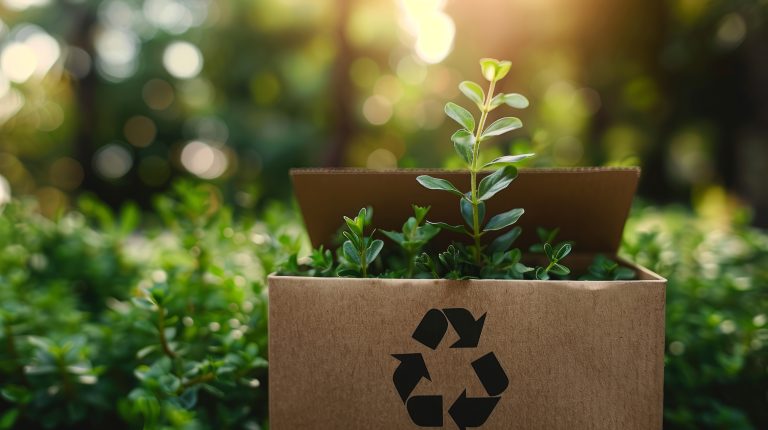
Packaging is a crucial element in eCommerce shipping and one of the areas with the greatest potential to reduce environmental impact. Adopting sustainable packaging not only helps limit the use of polluting materials but also improves brand perception among consumers who are increasingly concerned about ecological footprints.Reducing Packaging Volume
One common mistake is using boxes that are too large compared to the contents. This not only wastes material but also takes up more space in transport vehicles, indirectly increasing CO2 emissions. Optimizing packaging volume through custom-fit solutions allows for:
- Reducing overall shipment weight, which decreases fuel consumption during transport.
- Minimizing the space occupied in vehicles, enabling more packages to be transported in a single trip.
- Reducing the amount of filler material (such as plastic or styrofoam), often non-recyclable, needed to protect the product.
Choosing materials is essential for ensuring a reduced environmental impact. Adopting recycled or biodegradable packaging is a growing practice in the eCommerce sector. Among the most sustainable options are:
- Recycled and FSC-certified cardboard (Forest Stewardship Council), sourced from responsibly managed forests.
- Bioplastic or compostable packaging, which degrades quickly and leaves no harmful residues.
- Eco-friendly tape, made from paper or biodegradable materials, as an alternative to traditional PVC tape.
Another innovative solution to reduce environmental impact is the use of reusable packaging. These systems allow customers to return the packaging to the merchant for use in future shipments. Some advantages of this practice include:
- Reducing waste generation, lowering the demand for new resources to produce new packaging.
- Long-term cost savings, as a single package can be used multiple times.
- Improving the company’s image, as consumers tend to favor brands that demonstrate a strong commitment to sustainability.
Finally, it’s essential to communicate the sustainable choices adopted for packaging to customers. Including information about eco-friendly packaging and encouraging recycling practices can raise consumer awareness, improving their shopping experience and loyalty to the brand.
By implementing these practices, eCommerce companies can not only reduce their environmental impact but also respond to growing consumer demand for more responsible and green solutions.
© Blog Qapla’, Riproduzione riservata.